Best Portable Power Stations for Hurricanes & Power Outages
Keep your refrigerator, phones, CPAP, and lights running through a multi-day storm outage — safely indoors, with no generator exhaust. Atlantic hurricane season runs June 1 to November 30, and demand spikes (and stock sells out) the moment a storm is named.
In a hurry? Our top picks for this use case:
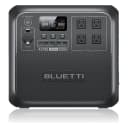
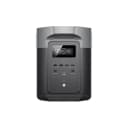
Scroll down for full analysis, all recommendations, and mistakes to avoid.
Who This Page Is For
Homeowners and renters in hurricane- and storm-prone regions preparing for grid outages that can last hours to several days. A portable power station is the indoor-safe way to keep essentials running — a complement to, or alternative to, a gas generator. The priority loads are usually a refrigerator, phones, lights, Wi-Fi, and any medical device such as a CPAP.
What Matters Most
- Safe indoor use — a battery power station produces no carbon monoxide, so it can run inside; gas generators cannot
- Capacity sized for days, not hours — 1000Wh minimum, with expandable batteries for multi-day outages
- Solar input — when the grid is down for days, solar is often the only way to recharge
- At least a 1500W inverter with surge headroom to start a refrigerator compressor
- LiFePO4 chemistry for safety, heat tolerance, and long cycle life
- UPS/EPS passthrough so a fridge or CPAP doesn't skip a beat when the power cuts
Minimum Viable Specs
Battery capacity: 1000+ Wh
Inverter output: 1500+ W continuous
Preferred chemistry: LiFePO4
Related Device Guides
Mistakes to Avoid
- Running a gas generator indoors or in an attached garage — carbon monoxide is a well-documented cause of death after storms; gas generators must stay far outside, away from windows, and a battery power station is the indoor-safe option
- Sizing for hours when the outage lasts days — a 300Wh unit won't keep a fridge cold through a multi-day storm; size for your essential loads across the longest realistic outage
- Skipping solar — multi-day grid-down means wall charging isn't available; without a solar panel you get a single charge and then nothing
- Ignoring surge watts — a refrigerator needs the inverter to absorb the compressor's startup surge, not just its running wattage
- Waiting until a storm is named to buy — power stations sell out and ship slowly once a hurricane warning is up; buy and test before a storm is on the map
Recommended Power Stations
These meet the wattage and surge requirements for this device. Ranked by value within each tier.
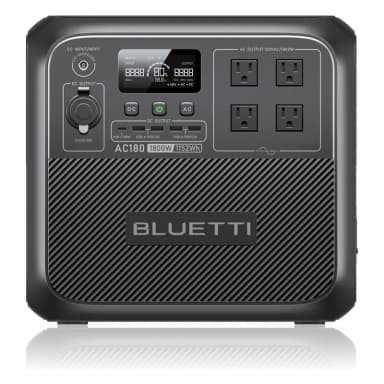
BLUETTI AC180
1152 Wh
1800W
2700W
16 kg
500W
1.8h
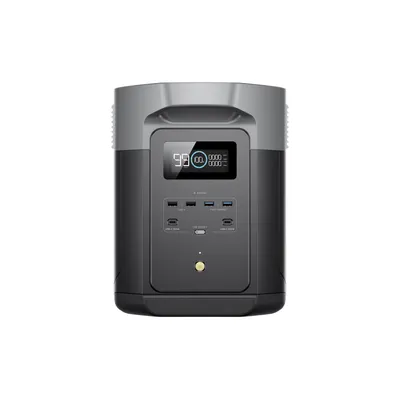
EcoFlow DELTA 2 Max
2048 Wh
2400W
4800W
23 kg
1000W
1.1h
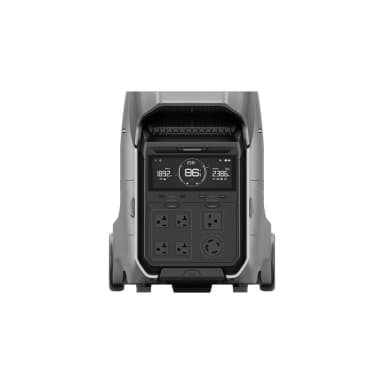
EcoFlow DELTA Pro 3
4096 Wh
4000W
8000W
51.5 kg
2600W
1.1h
Plan your backup setup
Top pick
BLUETTI AC180